DISINFORMATION SPACE · DRESDEN 2026 & BEYOND
Understanding Disinformation.
Building Information Resilience.
Understanding information manipulation. Connecting research and practice. Building information resilience.
Disinformation Space is an interdisciplinary research and community-building initiative established by Prof. Marc-Oliver Pahl (IMT Atlantique) together with collaborators from research, professional computing communities and Responsible AI education. It builds on the international workshop From Prompt to Propaganda: Generative AI and the New Disinformation Lifecycle, conceived and moderated by Pahl at INFORMATIK FESTIVAL 2026 in Dresden. Its development has been supported by Michael Jülich and Anna Altmann (aihorizon R&D), Maja Denisova and Anna Sarah Lieckfeld (Gesellschaft für Informatik) and Alexander Loth (Frankfurt University of Applied Sciences). Together, these contributions connect scientific experimentation, community building, education and interdisciplinary exchange. The ambition extends beyond Dresden: to make capabilities visible, identify shared research challenges and strengthen a sustained European community around disinformation and information integrity.
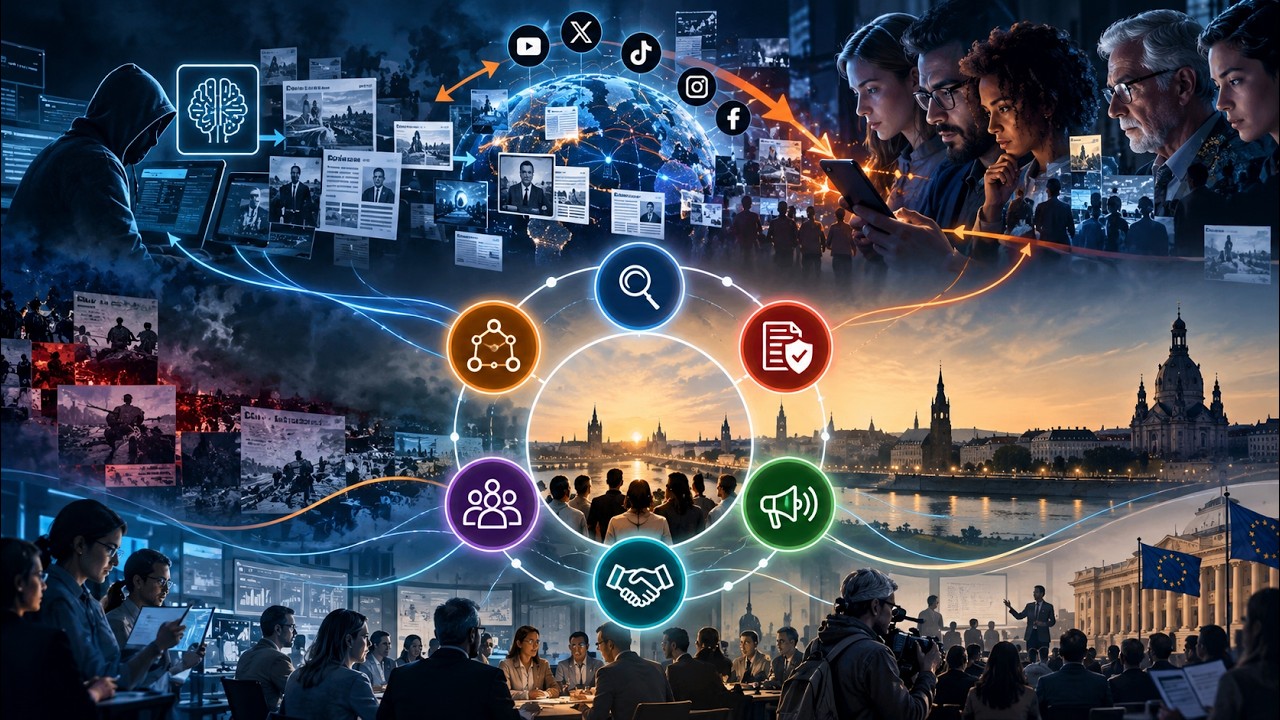
From a one-day workshop to a shared research agenda
The Dresden workshop connected seven scientific contributions with journalism, governance, national ecosystem perspectives and hands-on experimentation. Its open-access synthesis identifies eight findings and thirteen challenges for interdisciplinary action.
Watch the story. Explore the evidence. Connect the capabilities.
Explore Disinformation Space
The research foundation
The workshop’s scientific foundations connect controlled stimulus generation and human evaluation (RogueGPT and JudgeGPT), provenance and pre-bunking, narrative propagation, linguistic manipulation, privacy engineering and institutional resilience. The report synthesizes these contributions into a shared socio-technical perspective.
Eight findings. Thirteen research challenges. One shared agenda.
The synthesis moves from individual artefacts to influence operations; from a single chain to interacting information and audience-data flows; and from an online/offline distinction to socially embedded feedback. The findings and research challenges are exploratory and invite empirical validation.
01
Operations, not posts
Follow planning, targeting, distribution and impact.
02
AI shifts bottlenecks
Content gets cheaper; attention and trusted distribution remain scarce.
03
Automated back office
Agents may coordinate personas, workflows and timing.
04
Society shapes manipulation
Real-world tensions inform narratives and their consequences.
05
Governance + technology
Privacy, provenance and auditing need verifiable accountability.
06
Trust is strategic
Credible intermediaries matter to both defenders and attackers.
07
Visibility is fragmented
No single actor sees the full influence operation.
08
Beyond false facts
Framing, argumentation and implicature can mislead.
From a workshop to a living ecosystem
The project and capability map will document research projects, organisations, locations, methods and collaboration opportunities. Contributions from Dresden provide the starting point, not the limit of the ambition.
Watch the Dresden Workshop Talks
Explore the complete recording series: scientific talks, national ecosystem perspectives, journalism, governance and interactive discussions. The recordings complement the published workshop report.
Browse all recordings on YouTube ↗
Initiative Leadership & Workshop Contributors
Disinformation Space grew from collaboration across research, professional computing communities and Responsible AI education. These roles reflect contributions to the Dresden 2026 foundation, not a formally constituted steering committee.
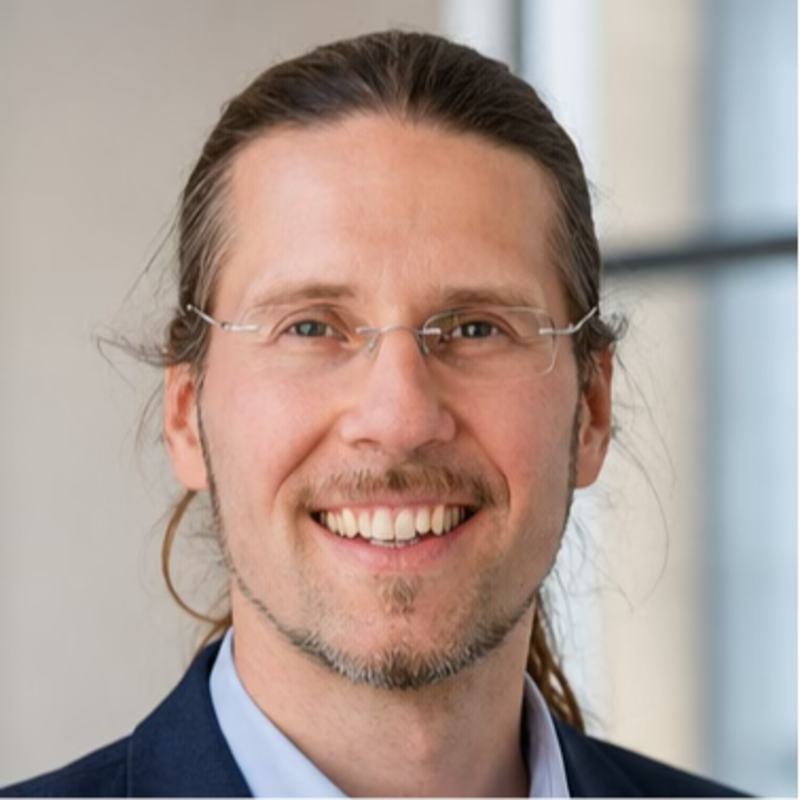
Marc-Oliver Pahl
Initiator & Scientific Lead
IMT Atlantique · GChACM · GI
Scientific framing, moderation and interdisciplinary synthesis.
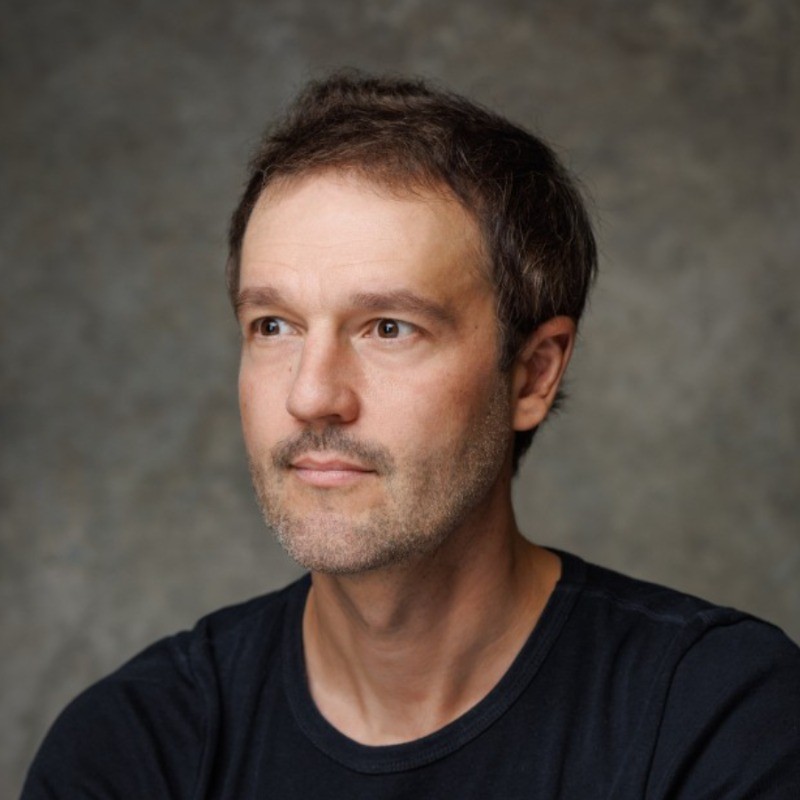
Michael Jülich
Workshop Co-organiser
aihorizon R&D
Responsible AI and educational collaboration.
Maja Denisova
Workshop & Ecosystem Coordination
Gesellschaft für Informatik
German research ecosystem mapping and organisation.
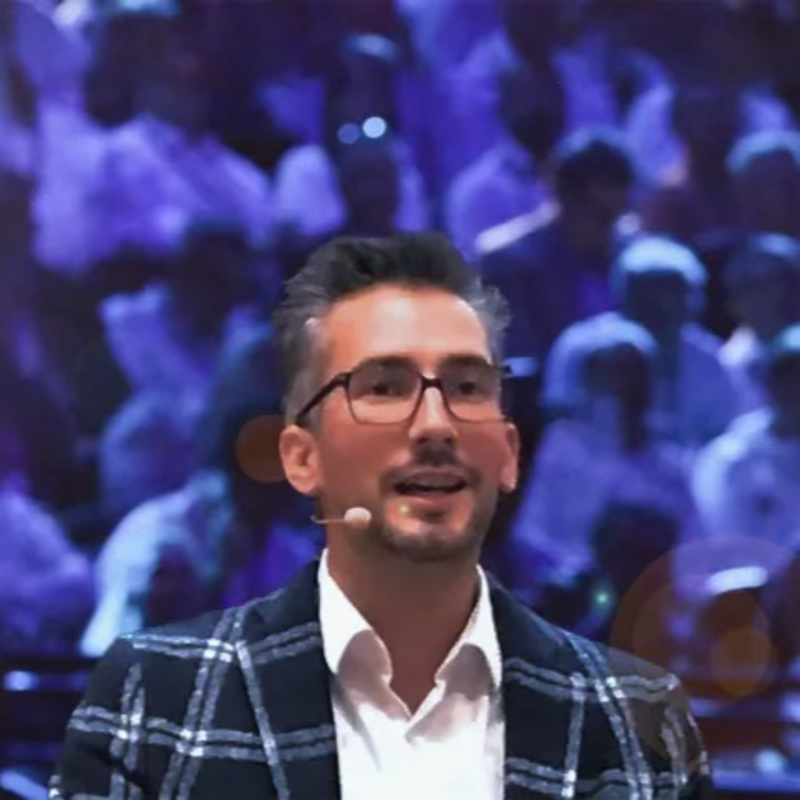
Alexander Loth
Scientific Collaborator
Frankfurt University of Applied Sciences · Microsoft
RogueGPT, JudgeGPT and human-perception research.

Anna Altmann
Workshop Organisation
aihorizon R&D · Hochschule Darmstadt
Preparation, on-site coordination and educational perspectives.
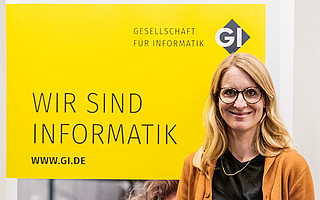
Anna Sarah Lieckfeld
Education & Society Leadership
Gesellschaft für Informatik e.V.
Head of Education and Society (Bereichsleitung Bildung und Gesellschaft), GI; institutional and community perspective.
Portraits can be added to the cards after image permissions and preferred photos are confirmed. The wider community includes the speakers, project representatives, scientific authors and participating organisations acknowledged in the full workshop report.
Dresden 2026 and beyond
Explore the original workshop programme and the open-access workshop report. The continuing initiative aims to connect research, experimental settings and institutional capabilities across Europe.
Subscribe to receive continuous information
Let’s move from awareness to action — together. Receive updates on new research findings, workshop recordings, publications, research projects and opportunities to contribute to the Disinformation Space community.